The Core Foundation of Autonomous Driving: Automotive Calibration Technology Evolution and Industria
In 2026, the autonomous driving industry has entered a new phase of large-scale urban NOA deployment and accelerated popularization of end-to-end intelligent driving solutions. From L2+ assisted driving to L4 high-level unmanned solutions, multi-sensor fusion has become the industry-recognized technical mainstream. Whether vision + radar fusion schemes or multi-sensor arrays with all-solid-state LiDAR, the underlying support for their perception accuracy and safety boundaries comes from the engineering capability of calibration technology. As the prerequisite core link for achieving spatial-temporal alignment of multi-source data, calibration technology is no longer a one-time process in the R&D phase, but a core technology running through the entire lifecycle of intelligent vehicle development, mass production, and operation, directly determining the environmental perception reliability and functional safety bottom line of intelligent vehicles.
This article from Dafan Optics, combining technical materials, comprehensively analyzes the principles, characteristics, and applications of autonomous driving, as well as the development trends and technical challenges of the autonomous driving industry, providing a technical reference for industry practitioners.
I. The Core Connotation and Safety Value of Calibration Technology
Calibration is the foundational basis of the autonomous driving perception system. Its technical logic and safety value run through the entire process of intelligent driving systems from R&D and mass production to deployment.
1. Core Definition of Calibration Technology
The essence of autonomous driving calibration technology is to determine the intrinsic and extrinsic parameters of sensors through experimental and algorithmic means, establishing mathematical transformation relationships between different sensor coordinate systems and the vehicle body coordinate system, ultimately achieving dual alignment of multi-source data in space and time. Technically, it is divided into two core modules:
Intrinsic Calibration: Used to calibrate the internal errors of a single sensor, including camera focal length, distortion coefficients, LiDAR ranging deviations, etc., usually completed before the sensor leaves the factory.
Extrinsic Calibration: The core is to solve for the six-degree-of-freedom parameters of the sensor relative to the vehicle coordinate system, which is key to achieving multi-sensor data fusion.
2. The Safety Margin of Calibration Accuracy
Calibration accuracy is directly and strongly correlated with autonomous driving safety. Minute errors can be exponentially magnified in long-distance perception. Research data shows that when the extrinsic parameter angular error between sensors exceeds 0.5° or the translation deviation is greater than 5 cm, the fusion positioning accuracy may drop by more than 30%; a 1° calibration error in the LiDAR heading angle would cause a lateral displacement deviation of 1.7 meters for an object 100 meters ahead, sufficient to cover most of a lane's width. In current mainstream intelligent driving solutions, the collaborative work of heterogeneous sensors such as cameras, LiDAR, millimeter-wave radars, and IMUs all relies on high-precision calibration results.
II. Mainstream Autonomous Driving Calibration Technology System and Engineering Practice
The current industry has formed two major technical systems: static offline calibration and dynamic online calibration, corresponding to the mass production phase and the full lifecycle usage needs respectively. The two complement each other to ensure the calibration accuracy of intelligent driving systems.
1. Static Offline Calibration: The Core Solution for Mass Production Lines
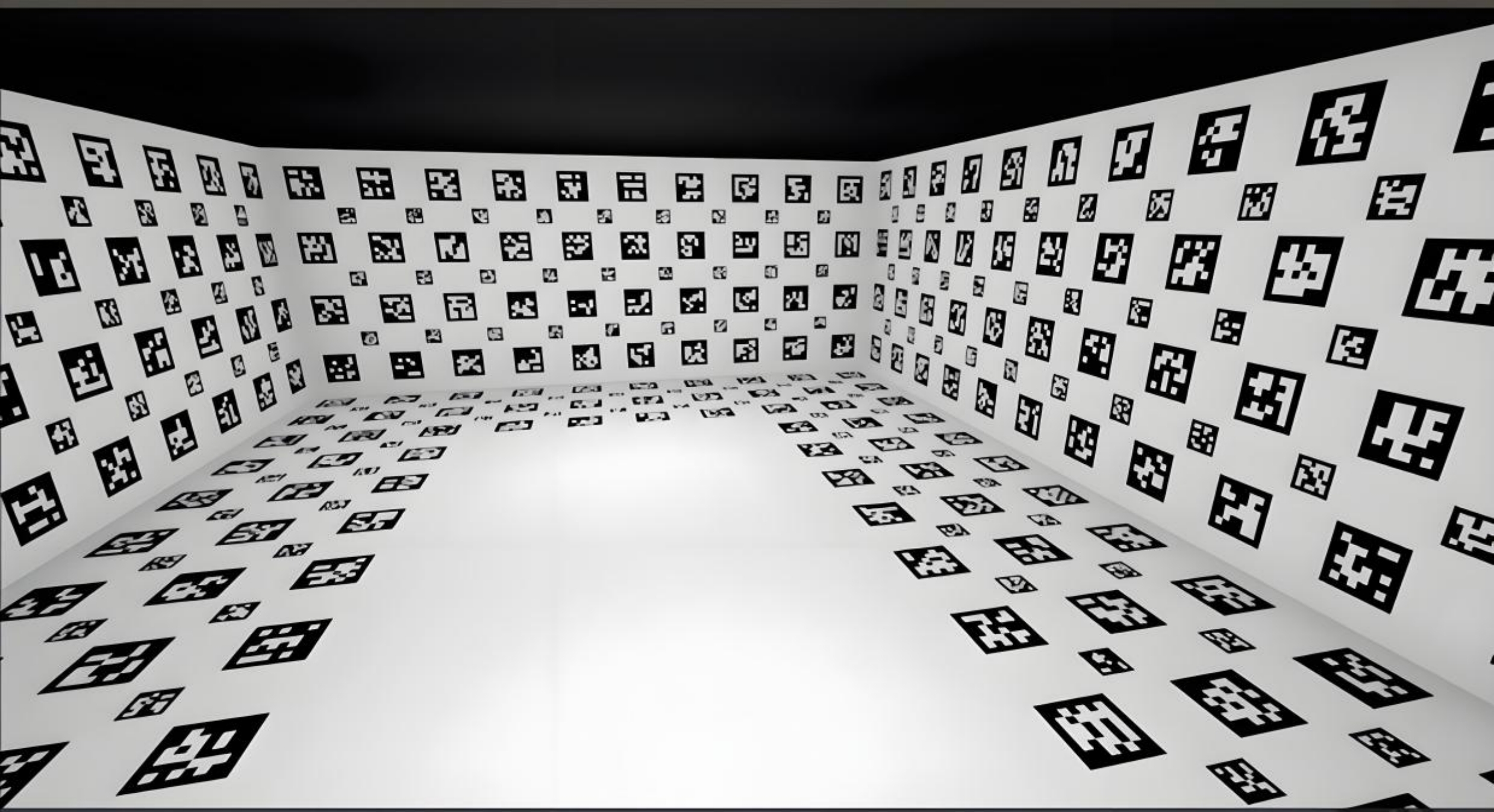
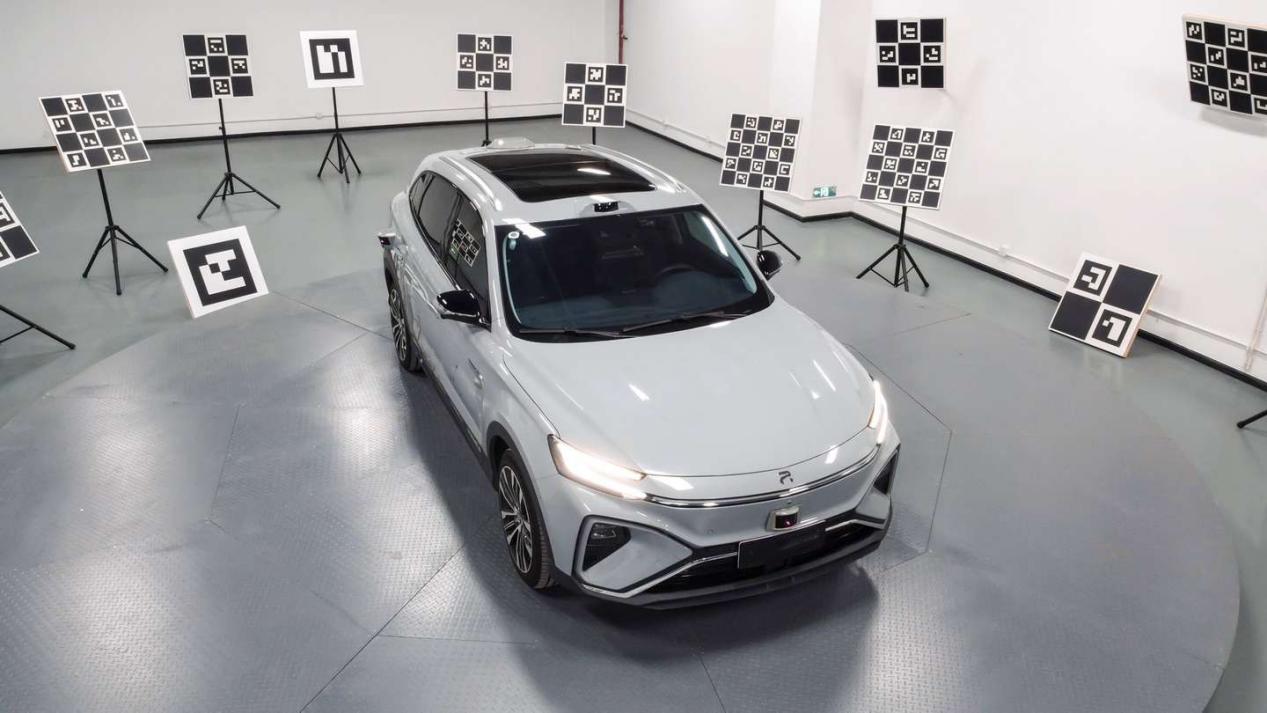
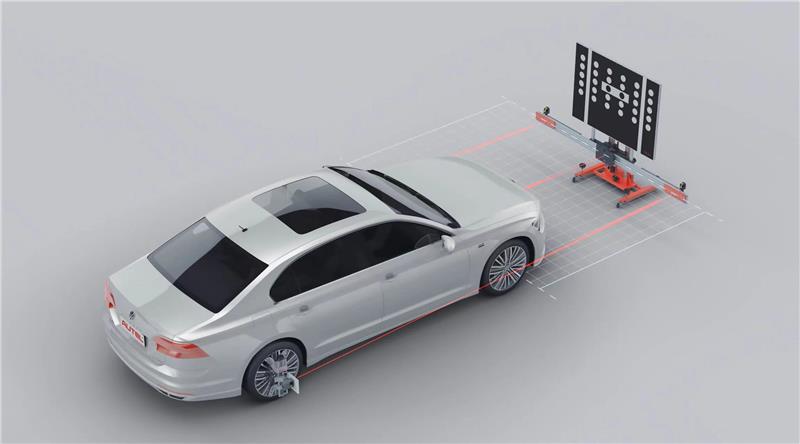
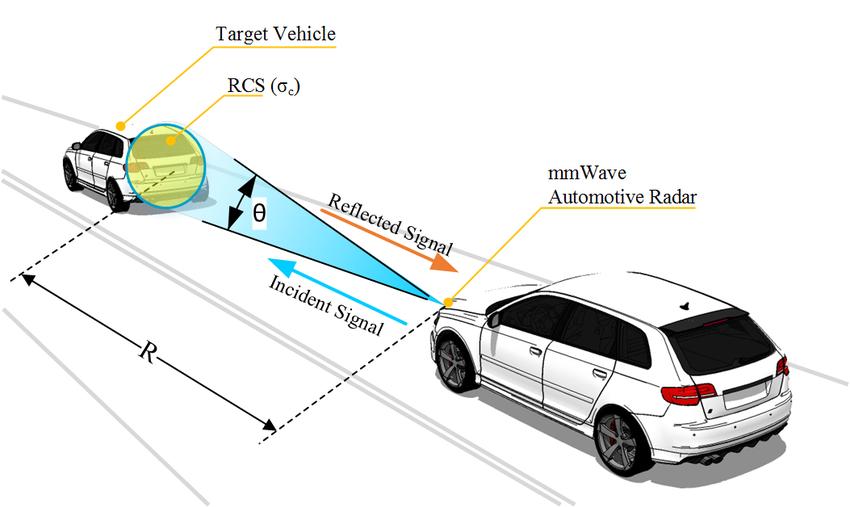
Static offline calibration is the most mature and highest precision solution in the industry. It is completed in a dedicated calibration room at the OEM factory, using high-precision calibration markers and a controlled environment to establish a preset real-world coordinate system for accurately solving the extrinsic parameters. Among them, camera calibration uses the Zhang Zhengyou checkerboard calibration method as the industry mainstream, achieving sub-pixel calibration accuracy while adapting to wide-angle lenses such as fisheye cameras. LiDAR and millimeter-wave radar calibration extract feature points through corner reflectors and high-precision calibration boards, combining least-squares fitting to solve extrinsic parameters. In engineering implementation, turntable-type fully automatic calibration solutions can complete the full vehicle sensor calibration within one minute, greatly improving mass production line efficiency.
2.Dynamic Online Calibration: Full Lifecycle Precision Assurance
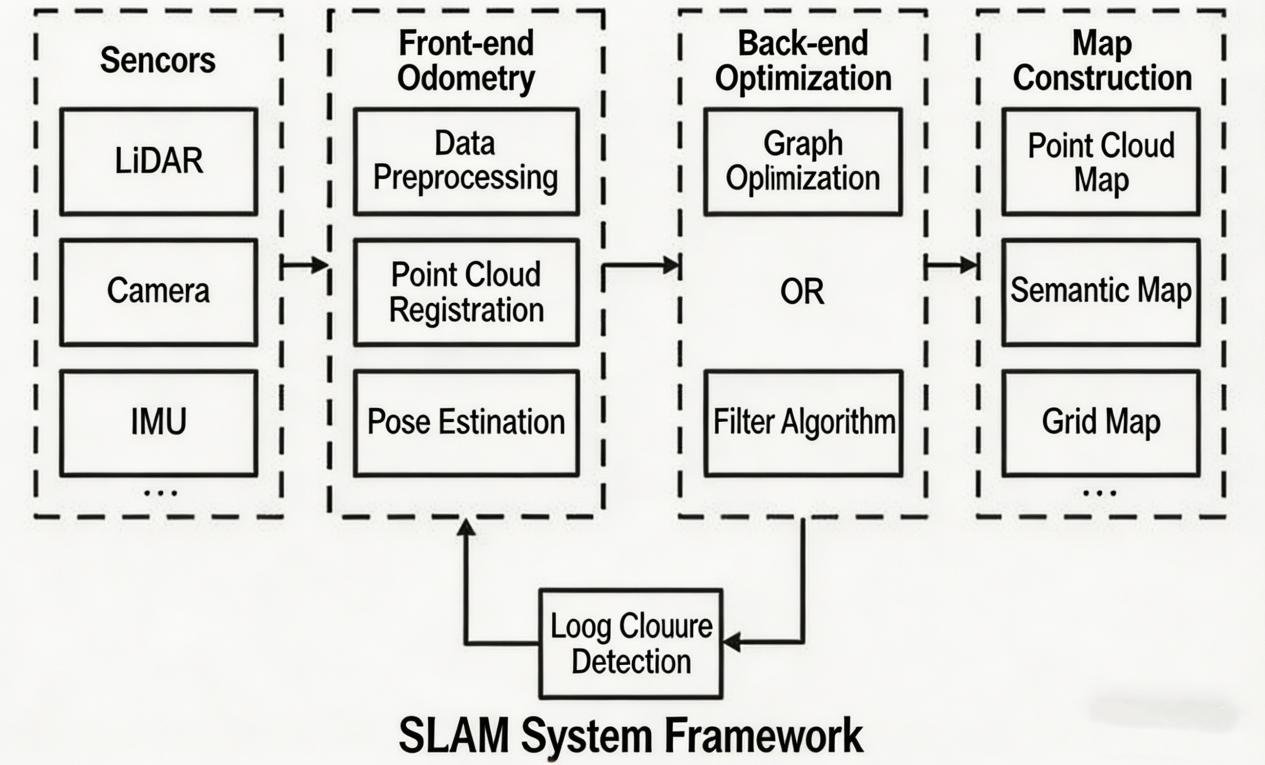
Dynamic online calibration mainly solves the parameter drift problem caused by vibration, temperature cycling, and component aging during vehicle use. This technology is based on SLAM algorithms and natural environmental features, utilizing point cloud registration algorithms such as ICP and NDT, and leveraging long-term stable environmental landmarks like lane lines and traffic signs to achieve real-time parameter compensation during driving. After Tesla vehicles are delivered to users, they complete online extrinsic parameter optimization through roughly 30 miles of driving, requiring no cloud cooperation, with parameter iteration completed on the vehicle side.
3. Multi-Sensor Spatial-Temporal Synchronization: The Core Prerequisite for Calibration Implementation
Spatial-temporal synchronization is the core foundation for the implementation of calibration technology. On the time synchronization side, the industry achieves microsecond-level alignment through PPS/PTP hardware synchronization, solving the problem of time misalignment among different sensor data during high-speed driving. On the spatial synchronization side, high-frequency IMU data is used to complete motion distortion correction, solving problems such as LiDAR point cloud "stretching" and camera image smear, ensuring the validity of calibration data from the source.
III. Core Pain Points and Engineering Solutions for Intelligent Driving Calibration Mass Production
Currently, the industrial implementation of calibration technology faces four core major challenges:
1.Joint calibration of heterogeneous sensors easily produces cumulative errors. Issues such as the small field of view of solid-state LiDAR and the wide-angle distortion of fisheye cameras further increase calibration difficulty.
2.The parameter drift problem under vehicle operating conditions: slow parameter changes caused by high/low temperature cycling and long-term vibration cannot be covered by factory offline calibration for the entire lifecycle.
3.Difficulty in balancing mass production takt time and cost: high-precision calibration rooms require high equipment investment, and the calibration time per vehicle is long, making it difficult to match the large-scale mass production needs of OEMs.
4.Insufficient robustness in extreme scenarios: in rain, fog, strong light, and weak texture environments, traditional calibration algorithms are prone to feature extraction failure, significantly reducing calibration accuracy.
To address these pain points, the industry has developed four core solutions:
1.Adopt a global joint calibration scheme to synchronously solve for multiple sensors' intrinsic parameters, extrinsic parameters, and time offsets, suppressing the cumulative error from step-by-step calibration from the root.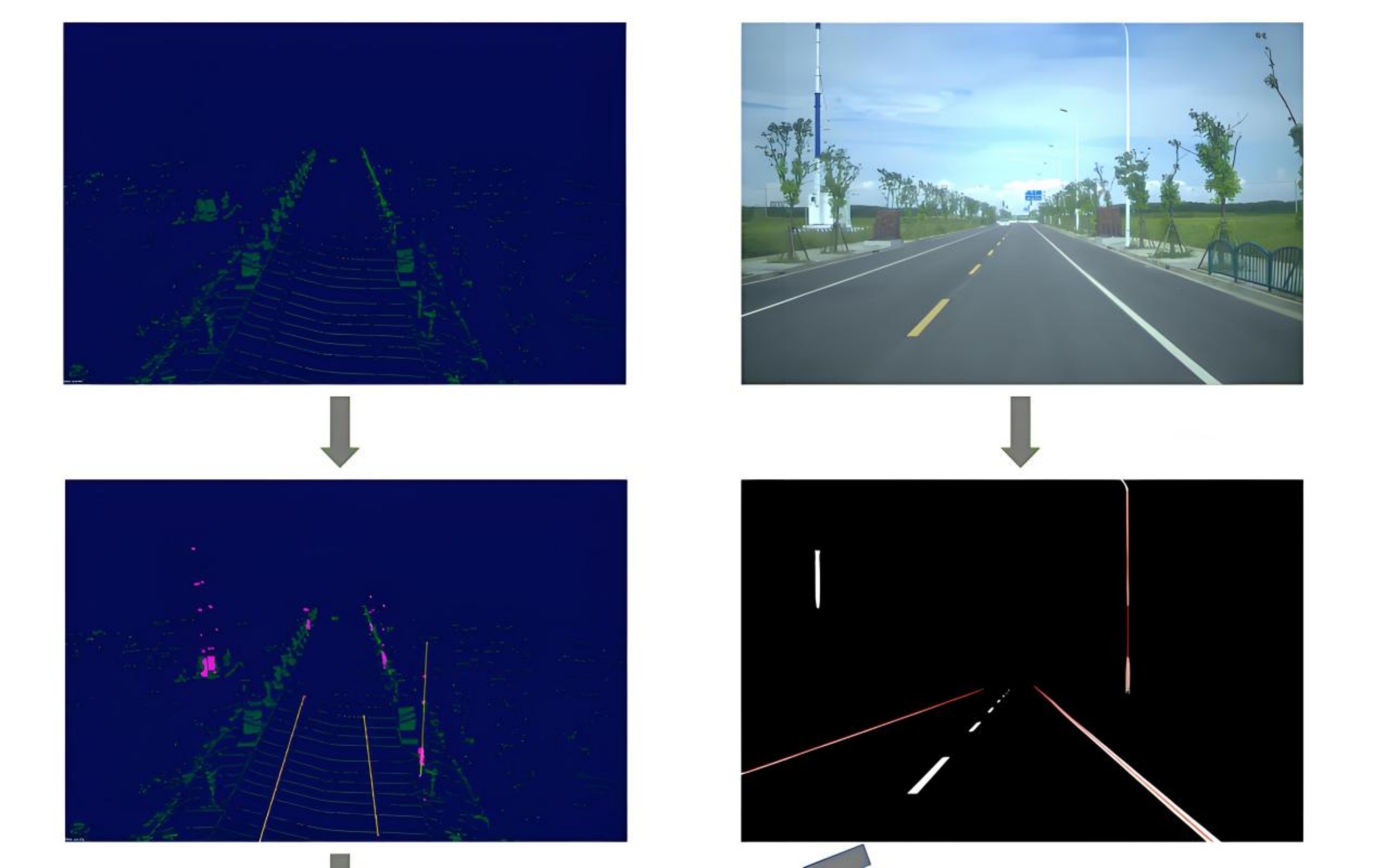
2.Based on tightly coupled LiDAR-inertial odometry algorithms, realize online adaptive calibration during driving, solving the long-term parameter drift problem.
3.Fully automatic production line calibration solutions, using reconfigurable targets and automated algorithms to complete vehicle calibration within one minute, balancing accuracy with mass production takt time.
4.Incorporate temperature compensation and multi-sensor cross-validation mechanisms to offset the influence of environmental factors, enhancing calibration robustness in extreme scenarios.
IV. Future Evolution Trends of Autonomous Driving Calibration Technology
1. AI End-to-End Calibration Realizing Targetless Operation
Deep learning-based end-to-end calibration technology will become a significant development direction. Through neural networks automatically extracting common features from multi-source data, joint calibration can be completed without dedicated calibration targets. The introduction of self-supervised learning allows the system to autonomously judge the calibration state and trigger calibration, greatly reducing technical barriers and costs.
2. Deep Integration with BEV Perception to Form a Closed-Loop System
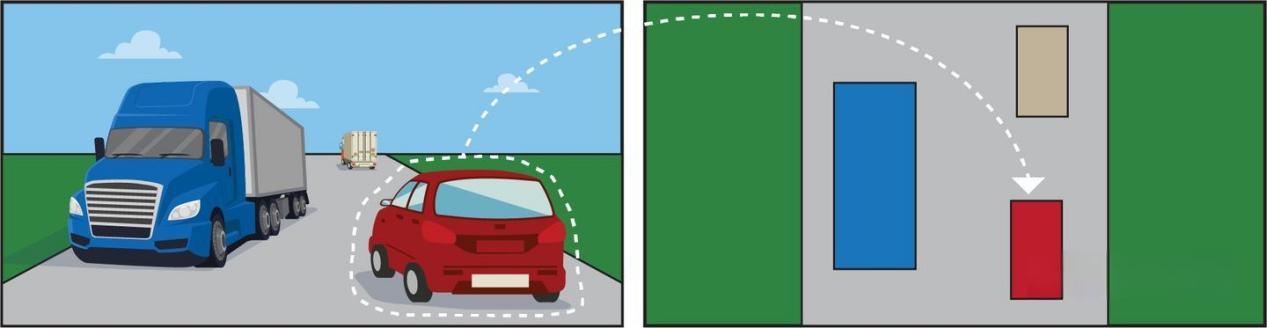
Calibration technology will no longer be an independent pre-processing stage but will deeply integrate with BEV perception and Occupancy networks, establishing a unified multi-sensor calibration framework that directly incorporates calibration parameters into the BEV spatial coordinate transformation process, achieving bidirectional optimization of perception accuracy and calibration accuracy.
3. Full Lifecycle Calibration Health Management Becomes Standard
A full lifecycle closed-loop management system of "factory calibration → online monitoring → periodic re-inspection → cloud operation and maintenance" will become standard for automakers. Through real-time monitoring of calibration health on the vehicle side and cloud-based big data analysis, parameter drift trends can be predicted in advance, achieving preventive maintenance and remote calibration, significantly reducing after-sales operation and maintenance costs.
4. Acceleration of Industry Standardization and Localization
Domestic and international industry organizations will accelerate the improvement of calibration technology standard systems, forming unified specifications for accuracy grades, acceptance methods, and functional safety requirements. Concurrently, a full-stack localized solution encompassing calibration hardware, algorithms, and production line solutions will develop rapidly, supporting the independent and controllable development of the domestic autonomous driving industry.
Conclusion
Calibration technology is no longer an isolated static engineering step in autonomous driving R&D; it is evolving into a "self-healing" capability throughout the entire lifecycle of intelligent vehicles. From high-precision factory production line calibration to online intelligent calibration during driving, every iteration of calibration technology lays the most fundamental geometric foundation for the safe travel of autonomous vehicles.
In the future, with the continuous advancement of multi-modal fusion, AI deep learning, and automotive-grade processes, calibration technology will become the core cornerstone supporting the large-scale and commercial deployment of high-level autonomous driving.
Latest News
Hand-Eye Calibration Analysis: Two Classic Methods from Principle to Engineering Practice
April 24, 2026, 2:38 pm